Tickets for the Musical “A Modinha que não sai de moda” at Sala Mário Tavares, Theatro Municipal do Rio de Janeiro
🎫 Full-price
🎫 Half-price
Highlights
🎼 A fantastic performance that promises to engage the audience from beginning to end
🏛 Enjoy a spectacular setting in one of Rio de Janeiro's most traditional cultural venues
General Info
📅 Monday, November 16th, 2026 at 7:00 PM – Doors open at 6:30 PM
⏳ Duration: 60 minutes
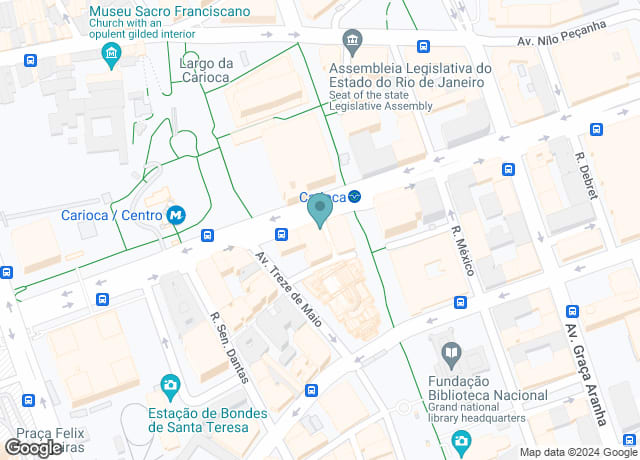
📍 Location: Sala Mário Tavares, Annex Building of Theatro Municipal do Rio de Janeiro - Avenida Almirante Barroso, 14 - Centro, Rio de Janeiro
♿ Accessibility: this venue is not wheelchair accessible
👤 Age: all ages welcome
"A Modinha que não sai de Moda" is a celebration of the modinha, one of Brazil's oldest and most emblematic musical genres. With an all-female cast, the performance lasts approximately one hour and features a meticulously selected repertoire, covering nearly 300 years of the modinha's history.
Objective
The project aims to provide the audience with an enriching experience by combining music and theater to tell the story of the modinha's evolution over the centuries. In addition to its artistic value, the initiative seeks to empower and inspire women through art and culture, reaffirming their place in Brazilian musical history.
Historical Context
The modinha emerged in colonial Brazil, possibly in the 17th century, becoming a genre deeply connected to national identity. Domingos Caldas Barbosa (1740-1800), a poet and musician from Rio, introduced the modinha to the court in Lisbon, where it gained the admiration of Portuguese classical musicians who incorporated elements of Italian opera into its structure. With the arrival of King João VI's court in Brazil in the early 19th century, the modinha returned to Brazilian soil, now refined and sophisticated.
In the late 19th and early 20th centuries, the modinha took to the streets and became one of the most popular genres of serenades. With the advent of radio, it declined but was revived in the works of great composers such as Vinicius de Moraes, Tom Jobim, Sérgio Bittencourt, and Chico Buarque. The renowned musicologist Mário de Andrade even stated in the 1930s that "the fashion ended, dead of satiety in full sweetness." However, the show challenges this view, proving that the modinha persists because love and romance remain alive.
Female Empowerment and Historical Recovery
The musical highlights the role of women in Brazilian music. Despite a restrictive patriarchal culture, women carved their path to the stage. Much was done and created in the private sphere, in salons and gatherings, in women's magazines, in the shadow of marriages, in classrooms, breaking sound and bodily conventions, in revolutionary movements, and in artistic revelations that triumphantly emerged through the cracks of society, as portrayed in the musical.
Although history tends to emphasize concert works, women's musical production was significant in salons and private spaces, contributing to the formation of the country's cultural identity. "A Modinha que não sai de Moda" revisits this narrative and values women's participation in building the Brazilian musical tradition as composers, performers, and teachers (one of the first opportunities for female employment).
Target Audience
The musical is especially geared toward female empowerment, providing a moment of support, reflection, and celebration of women's strength through art and music.
Cultural and Social Impact
• Valuing Brazilian Culture: Reviving and promoting a genre essential to Brazil's musical identity.
• Empowering Women: Highlighting women's leadership on stage and in the history of national music.
"A Modinha que não sai de Moda" goes beyond entertainment to become a project of social and cultural impact. Combining tradition and modernity, it reaffirms the importance of art as a tool for transformation and strengthening female and Brazilian identity.