










NO ENTRY INTO THE AUDITORIUM AFTER THE SHOW STARTS.
PLEASE NOTE THAT, ON SHOW DAYS, ENTRY WILL NOT BE PERMITTED FOR PERSONS WEARING SHORTS AND/OR FLIP-FLOPS.
Tickets for the 6th Marginal Film Festival, with the theme "Cinema and Environmental Emergency: Images of a Possible Future", at Mário Tavares Room
Highlights
🎼 A fantastic performance that promises to captivate the audience from beginning to end
🏛 Enjoy a spectacular setting in one of Rio de Janeiro's most traditional cultural venues
Program
Wednesday, October 21, 2026
- 3:00 PM session - All ages
- 5:00 PM session - Rated 12+
- 7:00 PM session - All ages
Thursday, October 22, 2026
- 3:00 PM session - All ages
- 5:00 PM session - All ages
- 7:00 PM session - Rated 12+
Friday, October 23, 2026
- 3:00 PM session - All ages
- 5:00 PM session - All ages
- 7:00 PM session - Rated 14+
General Info
⏳ Duration: 120 minutes
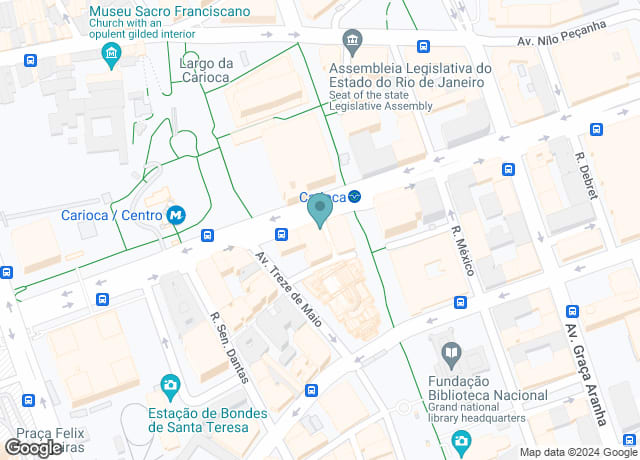
📍 Location: Mário Tavares Room - Theatro Municipal Rio de Janeiro Annex Building - Av. Almirante Barroso, nº 14/16, Downtown - Rio de Janeiro
👤 Age: check the information according to the sessions
♿ Accessibility: Venue not accessible for wheelchair users
📲 Ticket pickup is free (online only)
❓ You can consult the FAQs for this event here
👉 See all the details about half-price tickets here
Description
6th Marginal Film Festival presents 123 films with free admission at different locations in Rio
With the theme "Cinema and Environmental Emergency: Images of a Possible Future", the event features productions from all five regions of the country and international films.
From October 21 to 23, Rio de Janeiro hosts the 6th Marginal Film Festival, which in this edition offers a perspective on environmental urgencies and challenges through cinema. With the theme "Cinema and Environmental Emergency: Images of a Possible Future", the festival presents 123 national and international films, with free screenings at various locations across the city.
Among feature films, medium-length and short films, the audience will have access to independent productions from all five regions of the country, encompassing a wide range of genres and styles: fiction, documentary, experimental cinema, science fiction, animation, fantastic realism, and horror. The program also includes debates, meetings, and discussions with filmmakers. All activities are free of charge.
Cinema, territory and environmental emergency
For this edition of the festival, films that provoke reflection on the climate crisis and its social and cultural impacts have been selected. Themes such as global warming, environmental racism, land rights, housing, and indigenous rights run through the program, fostering a dialogue between different territories, experiences, and ways of imagining the future.
There are productions from all regions of the country, with a notable presence from the states of Rio de Janeiro (20 films), São Paulo (18), Rio Grande do Norte (10), Pernambuco and Bahia (eight each). Minas Gerais features six films; Santa Catarina, Paraná, and Mato Grosso have four each; Amazonas, Espírito Santo, Goiás, and Rondônia three each; Distrito Federal, Pará, Piauí, Rio Grande do Sul, Sergipe, and Tocantins two each; Ceará, Mato Grosso do Sul, and Paraíba one each. There are also productions made in collaboration across different states, such as one from Rio de Janeiro and São Paulo; one from Goiás and Distrito Federal; and another combining Minas Gerais, Rio de Janeiro, Goiás, and Pará.
Festival Highlights of the Year
The opening of the 6th Marginal Film Festival will be marked by the Brazilian premiere of the feature film "Return to Fukushima" (Retour à Fukushima/Return to Fukushima), at Cinema Nosso in Lapa. Directed by Belgian Thomas Licata, the documentary portrays life in the city of Namie, Fukushima Prefecture, Japan, more than ten years after the 2011 nuclear disaster.
According to Uilton Oliveira, the festival's creator, this edition is remarkable for the number of indigenous films, especially directed by women, such as 'A Floresta das Mulheres-Peixe' from Amazonas. There are also strong names among the directors, including Leonardo Martinelli, from Andaraí, Rio de Janeiro, who presents the short film "Samba Infinito", which premiered at Cannes last year. Another prominent filmmaker in the program is Alberto Sena, from São Gonçalo, who will screen "Proteção". From São Paulo, Thais Scabio and Gilberto Caetano participate with the feature film "Onde Estamos Seguros", also shown at Cannes.
Six editions of independent cinema
The Marginal Film Festival was created in 2017. In its first edition, 36 films were submitted, and this year submissions reached 356. The film selection was carried out by the curatorial team consisting of Leila Xavier, Milena Manfredini, Rosa Miranda, Rosy Nascimento, and Uilton Oliveira.
"The festival exists to promote the diffusion of independent audiovisual, open paths, give visibility, and strengthen narratives that society often tries to make invisible. It is a celebration of diversity and the power of voices from our outskirts," says Uilton Oliveira, the festival's creator.
ABOUT THE FESTIVAL
Since its inception in 2017, the Marginal Film Festival has been an initiative for the diffusion, reflection, encouragement, self-education, and organization of audiences around popular, authorship-driven, and critical cinema. Through partnerships with social movements and cultural institutions, it has become an important platform for promoting productions that feature diverse social and cultural characters and themes, with a critical perspective outside the commercial mainstream.
The program includes films for different age groups. Many sessions feature accessibility resources, such as descriptive subtitles, audio description, Portuguese subtitles, or LIBRAS.
Note: Tickets will be free, and pickup will be online only.